


Leadership of the International Olympic Committee
- Jan 6
- 4 min read
The Olympic Games are a symbol of unity, competition, and excellence. Behind this grand spectacle lies a complex organization responsible for maintaining the spirit and integrity of the event. The leadership of the International Olympic Committee (IOC) plays a crucial role in shaping the future of the Olympics and global sports. In this article, I will take you through the structure, responsibilities, and impact of the Olympic leadership, offering insights into how this organization influences sports worldwide.
Understanding Olympic Leadership: Roles and Responsibilities
Olympic leadership is not just about organizing a sporting event every four years. It involves a continuous process of governance, decision-making, and strategic planning. The IOC leadership consists of the President, the Executive Board, and various commissions that oversee different aspects of the Olympic Movement.
The President is the face of the IOC, representing the organization globally and guiding its vision.
The Executive Board manages the day-to-day affairs and implements decisions made by the IOC Session.
Commissions focus on specific areas such as ethics, marketing, and athlete welfare.
Together, these leaders ensure that the Olympic Games remain fair, inclusive, and inspiring. They also work to promote Olympic values such as respect, excellence, and friendship.

One of the key challenges for Olympic leadership is balancing tradition with innovation. For example, recent leadership has introduced new sports to the Games and embraced digital technology to engage younger audiences. This adaptability is essential for keeping the Olympics relevant in a rapidly changing world.
What is the International Olympic Committee?
The International Olympic Committee is the supreme authority of the Olympic Movement. Founded in 1894, it is a non-governmental organization that oversees the Olympic Games and promotes sport worldwide. The IOC is responsible for selecting host cities, setting rules, and ensuring that the Games uphold the highest standards of fairness and integrity.
The committee is composed of members from around the world, including former athletes, sports administrators, and representatives from National Olympic Committees. These members serve voluntarily and bring diverse perspectives to the leadership table.
The IOC also works closely with international sports federations, governments, and sponsors to deliver successful Olympic Games. Its mission extends beyond the event itself, aiming to use sport as a tool for peace, education, and social development.
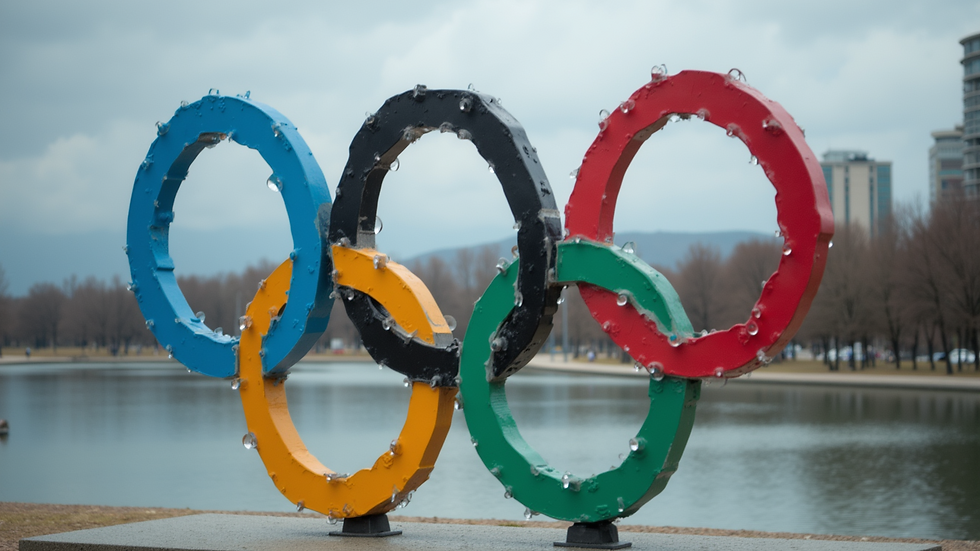
The leadership of the IOC is committed to transparency and ethical governance. Over the years, it has implemented reforms to combat corruption and promote gender equality within the Olympic Movement. These efforts reflect a broader commitment to integrity and social responsibility.
Key Figures in Olympic Leadership
The effectiveness of Olympic leadership depends heavily on the individuals who hold key positions. The President of the IOC is arguably the most influential figure. Since 2013, Thomas Bach has served as President, bringing his experience as an Olympic fencer and sports administrator to the role.
Under his leadership, the IOC has focused on sustainability, athlete engagement, and expanding the Olympic program. For example, the introduction of the Olympic Agenda 2020 was a strategic plan to modernize the Games and make them more cost-effective and environmentally friendly.
The Executive Board supports the President by managing operational matters and ensuring that policies are implemented efficiently. Members of the board come from various countries and bring expertise in law, finance, and sports management.
Other important leaders include the heads of commissions such as the Athletes’ Commission, which represents the interests of competitors, and the Ethics Commission, which oversees compliance with the Olympic Charter.

These leaders work collaboratively to address challenges such as doping, political interference, and the impact of global crises like the COVID-19 pandemic on the Games. Their decisions have far-reaching consequences for athletes, fans, and host cities alike.
How Olympic Leadership Shapes Global Sports
The influence of Olympic leadership extends well beyond the Games themselves. The IOC plays a pivotal role in promoting sports development worldwide, especially in countries with emerging athletic programs.
One of the IOC’s key initiatives is the Olympic Solidarity program, which provides funding and training to athletes and coaches from less developed nations. This program helps level the playing field and encourages broader participation in the Olympic Movement.
Moreover, the IOC sets standards for sports governance, encouraging transparency and good practices among international federations. This leadership helps maintain the credibility of sports and protects athletes’ rights.
The Olympic leadership also drives innovation in sports technology and broadcasting, enhancing the viewer experience and expanding the global reach of the Games. For example, recent Olympics have featured virtual reality broadcasts and advanced data analytics to engage fans.
By fostering cooperation among countries and promoting Olympic values, the leadership of the IOC contributes to peace and understanding on a global scale.
The Future of Olympic Leadership: Challenges and Opportunities
Looking ahead, the leadership of the International Olympic Committee faces several significant challenges. Sustainability remains a top priority, as the environmental impact of hosting the Games continues to draw scrutiny. Future leaders must find ways to reduce waste, lower carbon footprints, and promote green infrastructure.
Another challenge is maintaining the relevance of the Olympics in a crowded sports calendar. The IOC leadership is exploring new formats, such as mixed-gender events and urban sports, to attract younger audiences and reflect changing social trends.
The ongoing fight against doping and corruption requires constant vigilance and innovation. Leadership must continue to strengthen testing protocols and enforce strict penalties to protect the integrity of competition.
Finally, the IOC leadership must navigate geopolitical tensions that sometimes threaten the unity of the Olympic Movement. Diplomacy and neutrality are essential tools in preserving the spirit of the Games.
Despite these challenges, the future holds exciting opportunities. Advances in technology, increased global connectivity, and growing interest in sports provide a fertile ground for the IOC to expand its impact.
For those interested in following the latest developments in Olympic leadership and sports governance, I recommend visiting the international olympic committee page for real-time updates and in-depth analysis.
The leadership of the International Olympic Committee is a complex and dynamic force that shapes the world of sports. Through strategic vision, ethical governance, and a commitment to Olympic values, this leadership ensures that the Games continue to inspire millions around the globe. As the Olympics evolve, so too will the leaders who guide this extraordinary movement.


