


Inside the International Olympic Committee
- Jan 6
- 4 min read
The Olympic Games are a global spectacle that unites nations through sport, culture, and shared values. Behind this grand event is a complex organization that ensures everything runs smoothly - the International Olympic Committee (IOC). As someone who follows both Albanian and international news closely, I find it fascinating to explore how this body operates, adapts, and influences the world of sports. Today, I want to take you inside the workings of the IOC, sharing key updates and insights that shed light on its role and impact.
Understanding the Olympic Committee Updates
The Olympic Committee is not just about organizing the Games every four years. It is a dynamic institution that constantly evolves to meet new challenges and opportunities. Recent Olympic committee updates highlight efforts to promote sustainability, gender equality, and technological innovation in sports.
For example, the IOC has introduced new guidelines to reduce the environmental footprint of the Games. This includes encouraging host cities to use existing venues and invest in renewable energy sources. These steps reflect a broader commitment to making the Olympics a model for responsible global events.
Another significant update is the push for gender balance. The IOC has set ambitious targets to increase female participation among athletes, officials, and leadership roles. This move aims to reflect the diversity of the global community and inspire future generations.
Technological advances also play a crucial role. The IOC is exploring ways to enhance the viewer experience through virtual reality and improved broadcasting techniques. These innovations help bring the excitement of the Games closer to fans worldwide, including those in Albania and beyond.

The Structure and Function of the Olympic Committee
The IOC is a non-governmental organization made up of members from around the world. Its primary mission is to promote Olympism and oversee the organization of the Olympic Games. The committee operates through various commissions and working groups that focus on specific areas such as ethics, marketing, and athlete welfare.
Members of the IOC are elected for life, but recent reforms have introduced term limits to encourage fresh perspectives. The President of the IOC leads the organization and represents it internationally. The current president has emphasized transparency and inclusivity as guiding principles.
One of the IOC’s key responsibilities is selecting host cities for the Summer and Winter Games. This process involves rigorous evaluation to ensure the chosen locations can meet the logistical, financial, and environmental demands of the event. The committee also works closely with international sports federations to maintain fair competition and uphold anti-doping standards.
The IOC’s influence extends beyond the Games themselves. It supports sports development programs worldwide, including initiatives in Albania that aim to nurture young talent and promote healthy lifestyles.
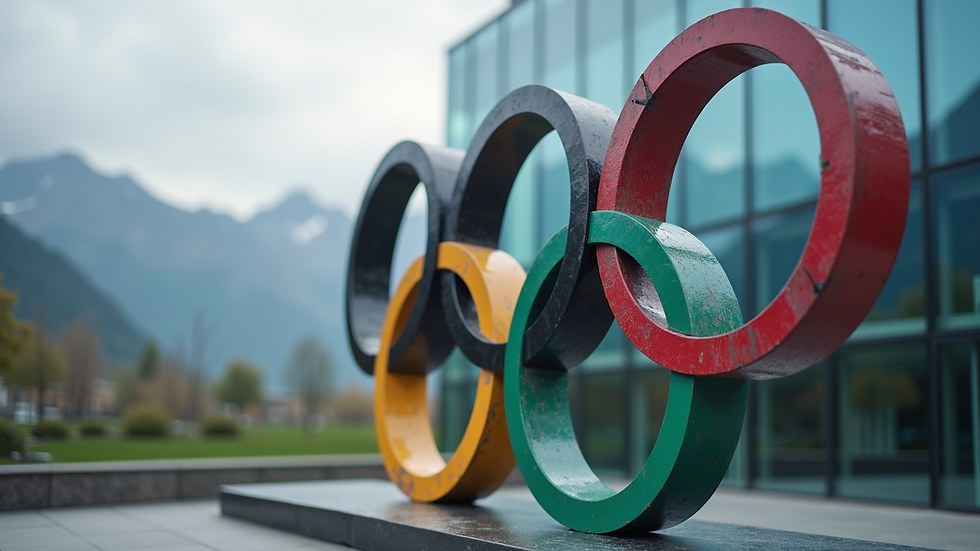
Which country is the headquarters of the International Olympic Committee?
The headquarters of the International Olympic Committee is located in Lausanne, Switzerland. This city has been the IOC’s home since 1915, chosen for its central location in Europe and its reputation for neutrality and stability.
Lausanne serves as the administrative and strategic hub for the IOC. The headquarters houses various departments responsible for planning, communications, legal affairs, and athlete support. It is also where the IOC Executive Board meets regularly to make key decisions.
Switzerland’s strong tradition of diplomacy and international cooperation aligns well with the Olympic values of peace and unity. The city’s beautiful setting on Lake Geneva provides an inspiring backdrop for the committee’s work.
The IOC headquarters is not just an office building; it is a symbol of the Olympic movement’s global reach and enduring mission. Visitors often remark on the blend of modern architecture and Olympic history found within its walls.

How the IOC Impacts Albanian Sports and Beyond
The influence of the IOC reaches far beyond the Olympic Games themselves. For countries like Albania, the committee’s programs and policies can have a direct impact on sports development and international representation.
Through partnerships with national Olympic committees, the IOC provides funding, training, and resources to help athletes prepare for competition. This support is crucial for smaller countries that may lack extensive sports infrastructure.
Moreover, the IOC promotes values such as fair play, respect, and inclusion, which resonate deeply in communities worldwide. These principles help foster social cohesion and inspire young people to pursue their dreams through sport.
Albania has seen increased participation in the Olympics over recent years, thanks in part to the support and guidance from the IOC and its affiliated organizations. This progress highlights the importance of international cooperation in sports.
The committee also plays a role in combating corruption and doping, ensuring that athletes compete on a level playing field. These efforts protect the integrity of sport and maintain public trust.
Looking Ahead: The Future of the Olympic Movement
As the world changes, so does the Olympic movement. The IOC is actively preparing for future challenges, including climate change, digital transformation, and shifting geopolitical landscapes.
One area of focus is making the Games more accessible and affordable for host cities. By streamlining requirements and encouraging innovation, the IOC hopes to attract a wider range of candidates and reduce financial risks.
The committee is also exploring new sports and formats to keep the Olympics relevant and exciting. This includes incorporating youth-oriented disciplines and embracing diversity in all its forms.
Transparency and governance reforms remain a priority. The IOC is committed to maintaining high ethical standards and engaging with stakeholders openly.
For fans and athletes alike, these developments promise a vibrant and inclusive Olympic future. The committee’s work behind the scenes ensures that the Games continue to inspire and unite people around the world.
The international olympic committee stands as a pillar of global sportsmanship and cooperation. Understanding its inner workings helps us appreciate the complexity and dedication required to bring the Olympic spirit to life. Whether you follow the Games for the thrill of competition or the stories of human achievement, knowing the committee’s role enriches the experience.
Stay tuned for more updates and insights as the Olympic movement evolves and continues to shape the world of sports.


