Fuel Subsidies for Farmers: Berisha Accuses Government of Impoverishment
- 5 days ago
- 4 min read
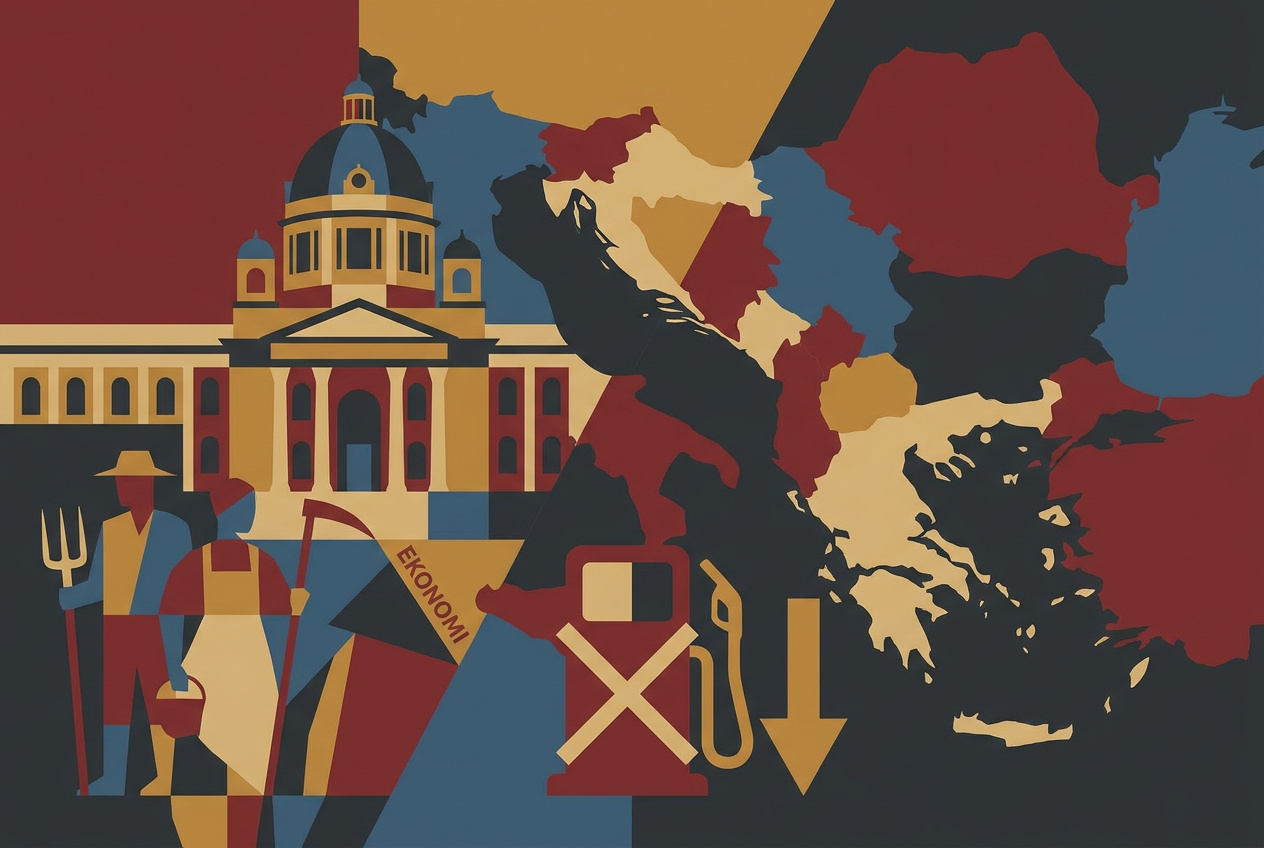
During the plenary session held on May 4, 2026, the chairman of the Democratic Party, Sali Berisha, issued strong accusations against the government cabinet regarding new policies in the agricultural sector. At the center of his criticism was the removal of fuel subsidies for farmers, a move that the opposition leader claims is devastating the rural economy. This decision comes at a critical moment when production costs are reaching record levels across the Balkans. Berisha emphasized that this strategy is not merely an administrative error, but a genuine policy of impoverishment that is forcing citizens to abandon their lands.
The Removal of Fuel Subsidies and the Social Impact
The decision to discontinue direct fuel support for local producers has created a wave of discontent in rural areas stretching from Myzeqe to the country's southeast. Sali Berisha argued before the parliament that this measure directly burdens the pockets of families who rely on working the land. According to him, the removal of this financial relief increases the cost of every product entering the local market, making Albanian produce unaffordable. This situation creates a chain reaction that affects not only farmers but also consumers in major cities. Faced with high global fuel prices, the lack of state intervention is viewed as an abandonment of a vital sector.
Consequences for Rural Population Emigration
One of the most significant points of Berisha's speech was the link between the failure of agricultural policies and the new wave of emigration. When farmers cannot cover even the costs of plowing and harvesting, the only remaining path is to leave for European Union countries. This mass abandonment of agricultural land is leading to the desertification of Albanian villages, damaging the country's social structure. Without fuel subsidies for farmers, the outlook for the future of young people in agriculture appears entirely bleak.
Comparison with the Region: Why is Albania Falling Behind?
In his speech, Berisha made a detailed comparison with policies currently being implemented in neighboring countries such as Kosovo, North Macedonia, and Serbia. While the governments of these nations have increased support packages to protect local production, Albania has chosen the opposite path. In those countries, farmers benefit from fuel at prices significantly lower than the free market, which increases the competitiveness of their products. This disparity causes the Albanian market to be flooded with imports, while our own producers are forced to dump their produce into canals. The lack of reciprocity in subsidy policies is turning our agriculture into a sector defenseless against regional competition.
Failure of Subsidy Schemes in 2026
The opposition's analysis indicates that the budget allocated for agriculture in 2026 is insufficient to meet market challenges. Beyond fuel, farmers are also facing rising prices for chemical fertilizers and other agricultural inputs. Without emergency intervention, many small and medium-sized farms are expected to go bankrupt within this calendar year.
Editorial Perspective: The Need for a Long-Term Strategy
The situation presented in Parliament highlights a chronic problem of the Albanian state: the lack of a sustainable strategy for rural development. Fuel subsidies for farmers should not be viewed as charity, but as an investment in the country's food security. If the government does not respond to the demands of producers, Albania will remain entirely dependent on foreign imports, losing its food sovereignty. It is imperative that politics sets aside rhetoric and focuses on technical solutions that reduce production costs and increase the quality of our products in international markets.
What Remains Unsaid in the Political Debate?
Beyond the mutual accusations between the ruling party and the opposition, the question remains as to how the transition toward greener technologies in agriculture will be managed without harming current farmers. While there is talk of removing subsidies, no alternatives are offered for the modern mechanization of Albanian farms, leaving them in a state of technological stagnation.
Government Reaction and Defense of New Policies
Despite harsh criticism from Sali Berisha, representatives of the majority defend their position by arguing that funds are being reallocated toward direct investments in infrastructure and technology. According to the government, the old fuel scheme had control deficiencies and abuses, which is why new forms of support are being sought. However, for the farmer who must go out into the field tomorrow, these promises of long-term investment do not solve the immediate problem of fuel costs. This gap between the government's vision and the reality of farmers remains the hottest point of political debate in the country.
FAQ
Why were fuel subsidies for farmers removed in 2026?
The government argues that the scheme is being reviewed to avoid abuses and to orient funds toward investments in technology, while the opposition characterizes it as a policy of impoverishment.
How does this measure affect food prices?
The removal of the subsidy increases production costs for farmers, which translates into higher prices for final consumers in domestic markets.
What is the comparison with regional countries according to Berisha?
According to Berisha, Kosovo, Serbia, and North Macedonia continue to offer subsidized fuel, making their products more competitive than Albanian ones.
Conclusion
The debate over fuel subsidies for farmers remains one of the most sensitive issues in the Albanian economy in 2026. As politicians clash in the Parliament hall, Albanian farmers await concrete solutions to cope with the high costs that threaten their survival. Stay informed with Librazhdi Press to follow the latest developments regarding new support schemes and the reactions of interest groups.
Follow Librazhdi Press for the next update on this story and related developments.
Read Also
Democratic Party Elections: Why the Absence of Competition Is Damaging the Future of the Opposition — The Democratic Party is currently navigating a critical moment in its journey as an opposition force, with its internal electoral processes… Read article
Operation Rrjeta in Tirana: Two Fugitives Convicted of Drug Trafficking Apprehended — The Albanian State Police have successfully concluded a high-stakes operation codenamed 'Rrjeta' (The Net), a meticulously organized effort… Read article
Weather in Albania: Weekend Temperatures to Reach 31 Degrees — For Albanian citizens, this year's spring is demonstrating a level of instability that is expected to conclude within a few days. According… Read article