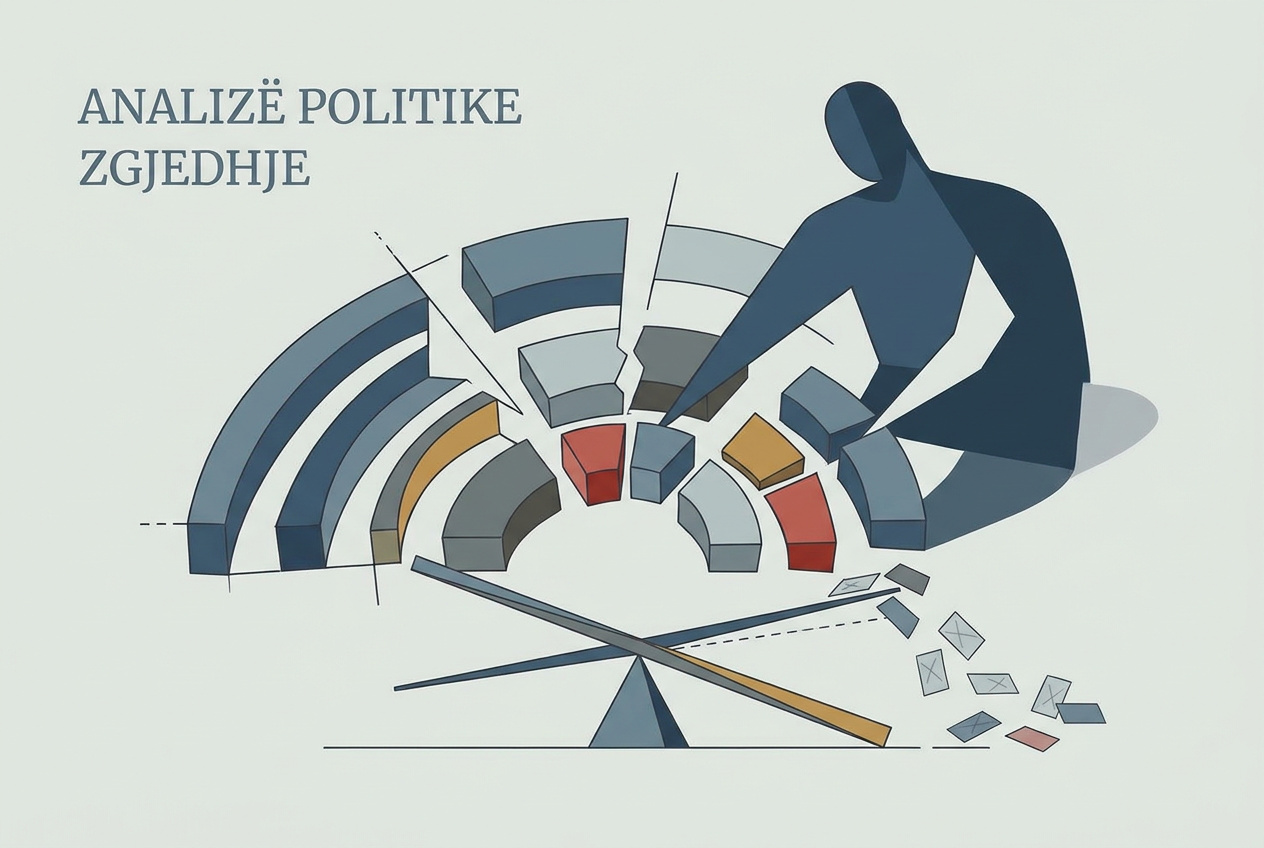
Democratic Party Elections: Why the Absence of Competition Is Damaging the Future of the Opposition
- 5 days ago
- 4 min read
The Democratic Party is currently navigating a critical moment in its journey as an opposition force, with its internal electoral processes drawing heightened scrutiny from the public. Recent analyses indicate that the lack of a genuine contest within the party structures is becoming a significant barrier to establishing the legitimacy required for the democratization of this political entity. At a time when the opposition desperately needs maximum mobilization, internal dynamics appear to be fostering division rather than unity around a shared vision.
Democratic Party Elections and the Gap Between Voting and Competition
Electoral processes within the Democratic Party have become the focal point of political debate due to the absence of real alternatives to the current leadership. Independent analysts observe that what is currently unfolding cannot be classified as a competitive process, as potential candidates have faced exclusion or forced self-withdrawal due to prevailing circumstances. The lack of an open race creates a predetermined perception of the outcome, effectively transforming the process from a democratic vote into a mere confirmation of entrenched structures.
The Mentality of Appointments Versus Competition
This approach reflects a broader political culture in Albania, where party leaders often prefer to appoint loyalists to various hierarchical levels rather than face rivals within the party. This phenomenon stifles the growth of new figures and creates a leadership vacuum that could persist for years to come.
The Role of Sali Berisha and His Influence on Party Structures
The presence of Sali Berisha in the race for the leadership of the Democratic Party is viewed by many observers as the primary factor that effectively closes the process before it even begins. As a dominant figure, his role ensures that any other attempt to challenge the leadership appears as an impossible feat. This absolute dominance, according to various analyses, has brought negative consequences to the party's image, making it less attractive to undecided voters or those seeking radical change.
The Case of Exclusions and the Consequences of a Fragmented Opposition
The case of Ervin Salianji and other candidates who were either barred from running or chose to withdraw serves as a clear indicator of internal problems. This approach toward critical voices within the party risks the creation of new factions or the departure of figures who could have contributed to a stronger opposition. In a context where the Democratic Party has spent 13 years in opposition, every lost vote or disillusioned supporter represents an irreversible loss against the current ruling majority.
The Risk of Creating Peripheral Factions
The exclusion of well-known figures may not immediately produce a powerful new political movement, but it acts as a catalyst for growing apathy among the membership. An opposition that fails to manage the diversity of thought within its ranks finds it difficult to seek the public's trust to govern the country.
Editorial Perspective: Why the Democratic Party Needs a New Approach
It is imperative that political parties in Albania understand that blind loyalty is not a substitute for healthy competition. If the Democratic Party wishes to return to a governing force, it must build mechanisms where debate and competition are the norm, not the exception. The lack of a true race is not merely an internal problem, but a direct blow to the country's democratic health, where citizens feel excluded from genuine political decision-making.
FAQ
Why is the lack of competition in the Democratic Party considered harmful?
The lack of competition creates a predetermined process that hinders the democratization of the party and alienates new figures, making the opposition less effective in confronting the majority.
How does the exclusion of critical voices like Ervin Salianji impact the party?
The exclusion of critical figures risks further fragmenting the opposition and leads to the loss of precious votes, which are vital after 13 years in opposition.
Is the Democratic Party at risk of losing its electorate?
Yes, the lack of a competitive vision and the dominance of old figures can increase apathy among members and supporters, weakening the party's position in upcoming elections.
Conclusion
The current situation within the Democratic Party requires deep reflection on how democratic processes are conducted internally. To be a credible alternative for citizens, the Democratic Party must open its doors to genuine competition and value the diversity of ideas. Follow us at Librazhdi Press for all the latest developments on Albanian politics and the decisions that will shape the country's future.
Follow Librazhdi Press for the next update on this story and related developments.
Read Also
Operation Rrjeta in Tirana: Two Fugitives Convicted of Drug Trafficking Apprehended — The Albanian State Police have successfully concluded a high-stakes operation codenamed 'Rrjeta' (The Net), a meticulously organized effort… Read article
Weather in Albania: Weekend Temperatures to Reach 31 Degrees — For Albanian citizens, this year's spring is demonstrating a level of instability that is expected to conclude within a few days. According… Read article
Tragic Accident on the Berat-Dimal Axis: 57-Year-Old Man Loses His Life — A grave incident has shaken the Berat region on the afternoon of May 4, 2026, as a fatal accident on the Berat-Dimal national road claimed… Read article