The Rodent Crisis in Gaza: When Nightfall Becomes a Battle for Survival
- May 2
- 3 min read
In the heart of the Gaza Strip, displaced populations are facing a new, harrowing threat that extends beyond the constant risk of bombardment: a massive explosion in the rodent population. Rats and weasels have become unwanted inhabitants of overcrowded camps, inflicting bites and constant fear upon children and the elderly. This issue, which is escalating into a severe public health crisis, demands urgent intervention before the sanitary situation spirals completely out of control.
The Rodent Crisis in Gaza and Physical Harm to Residents
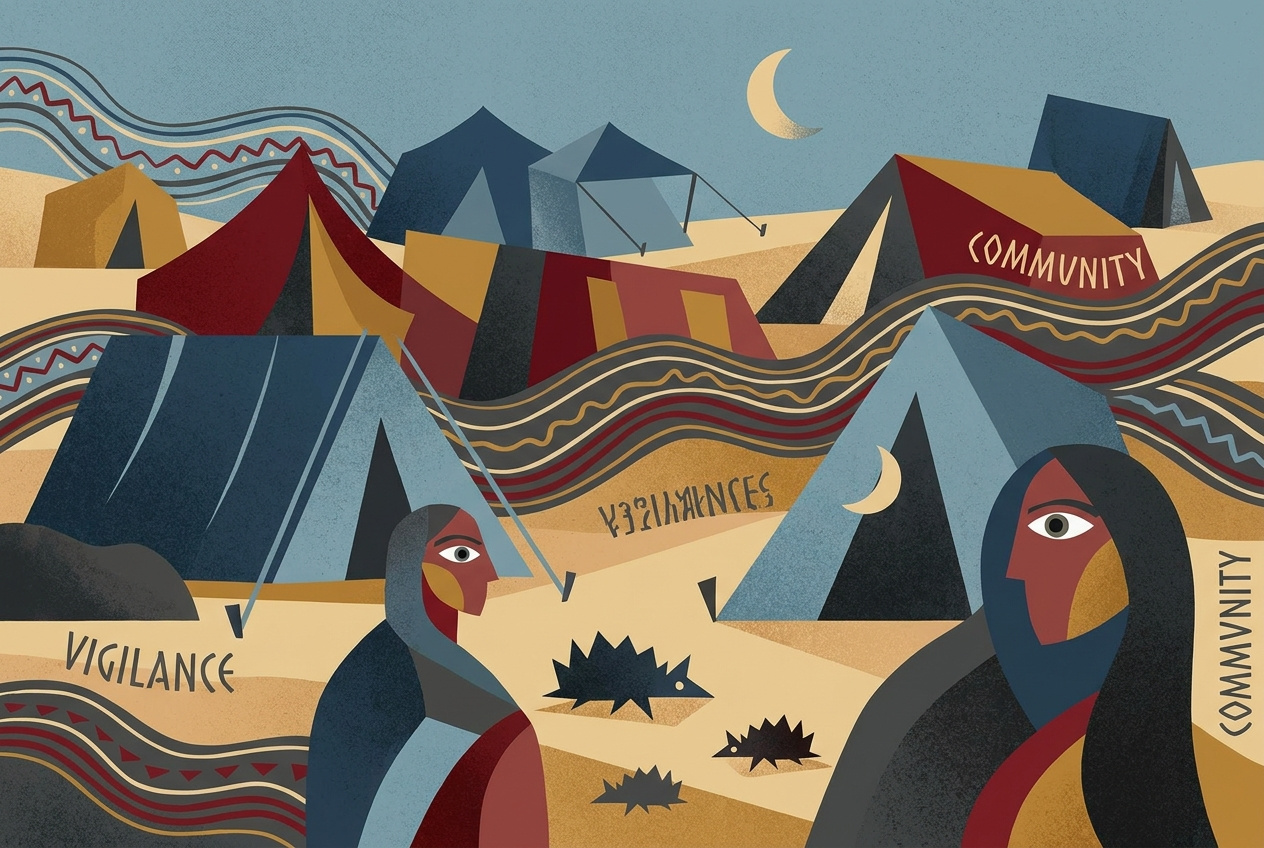
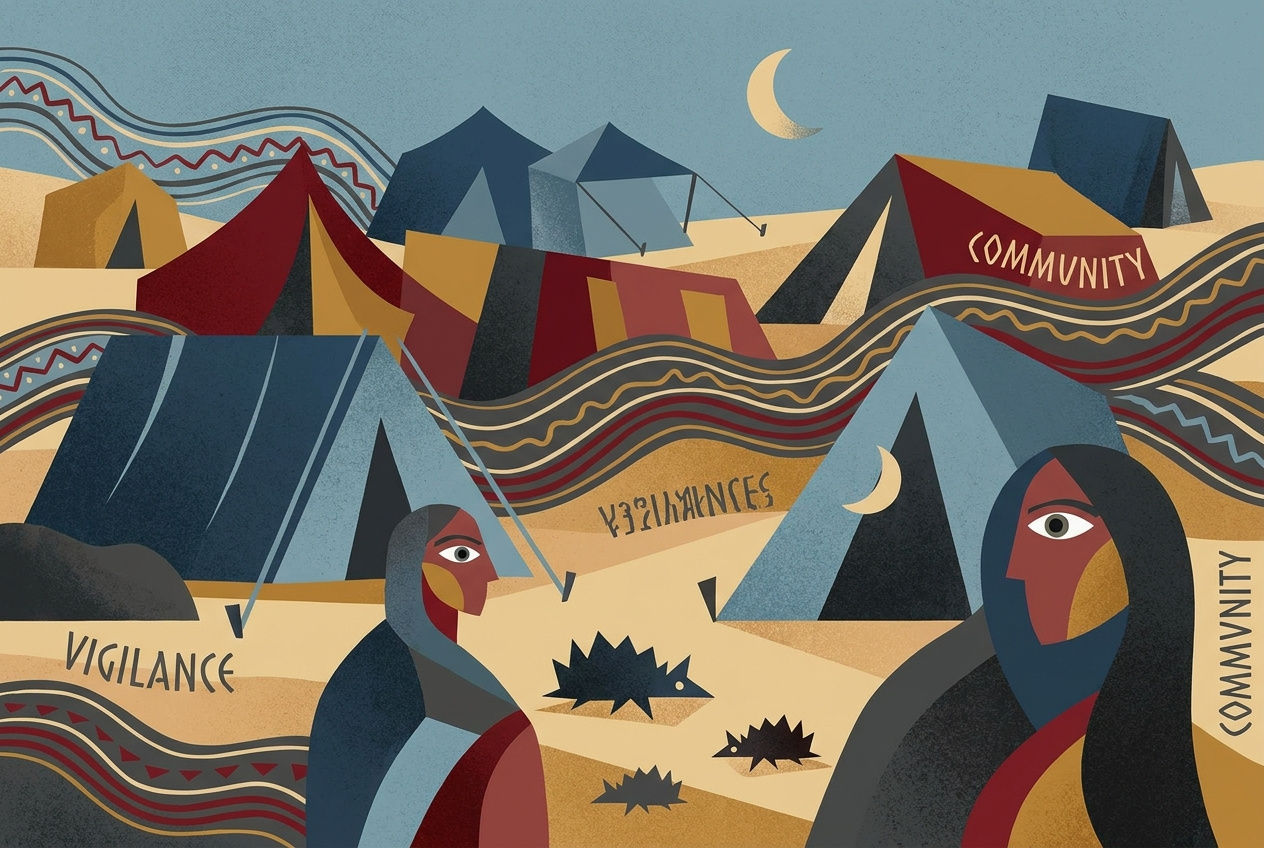
The uncontrolled proliferation of rodents in areas housing displaced families has created an atmosphere of terror during the night. Many parents, such as Rizq Abu Laila, are forced to stay awake to protect their children from the bites of rats and weasels that invade their tents. Cases of children, such as four-year-old Mayaseen, who suffered severe injuries and infections following a nighttime attack, have become a bitter reality for Gaza's residents. Beyond physical pain, these attacks cause deep psychological trauma for children who cannot find peace in places that are supposed to be their sanctuaries.
Statistics of an Alarming Reality
Recent studies supported by UN agencies indicate that rodents are present in approximately 80% of locations where displaced families are currently settled. This phenomenon directly affects the lives of 1.45 million people living in precarious conditions, lacking access to basic hygiene services or restored infrastructure.
Infrastructure Failure and Waste Accumulation
The primary cause of this rodent invasion is the total lack of infrastructure for waste management and sewage treatment. Giant piles of garbage, which have accumulated near the tents, serve as ideal habitats for the breeding of pests in the warm spring weather. While Palestinian officials estimate a need for 200,000 caravans to serve as temporary housing, the lack of these resources leaves thousands of families exposed to diseases spread by these animals.
Institutional Response and Aid Challenges
The Israeli defense body, COGAT, has stated that it is working with international organizations to address hygiene needs in these affected areas. However, for residents on the ground, the aid appears insufficient in the face of the scale of the crisis. Uncollected waste and the lack of functional sewage systems are making life in the camps a constant risk for epidemic outbreaks, beyond the immediate danger of bites.
Sanitary Security Perspective
In the Balkans, experience with similar situations following natural disasters has shown that pest control is just as critical as food supply. If sanitary cordons are not established in Gaza and piles of waste are not removed, the risk of the spread of infectious diseases will increase exponentially.
Editorial Opinion: The Necessity of Rapid Response
It is clear that the situation in Gaza has surpassed the boundaries of a political crisis, transforming into a sanitary humanitarian emergency. While the world focuses on high-level negotiations, the daily lives of 1.45 million people are being devastated by pests. It is imperative that the international community shifts its focus from rhetoric to sanitary logistics, as the children of Gaza can no longer wait for long-term solutions to sleep safely.
FAQ
Why are rats increasing in Gaza's camps?
The increase in rodents is a direct consequence of the massive accumulation of waste and the lack of sewage infrastructure, which create ideal conditions for their breeding.
How many people are at risk from this phenomenon?
According to UN data, approximately 1.45 million displaced people live in areas where rodents are visible in 80% of cases.
What measures are being taken to help the residents?
Relevant authorities have stated that they are cooperating with international organizations to improve hygiene needs; however, residents report that the situation remains critical.
Conclusion
The sanitary crisis in Gaza is a call for global awareness regarding the real hardships faced by displaced civilians. To understand more about developments in the Middle East and their impact, continue to follow the updates on Librazhdi Press. Join us to stay informed on the issues affecting our world today.
Follow Librazhdi Press for the next update on this story and related developments.
Read Also
Major Anti-Drug Operation in Elbasan: 26 Detention Orders Issued, 10 Arrested — A large-scale police operation has been carried out in the city of Elbasan, marking a significant blow against drug trafficking networks op… Read article
Sali Berisha as Sole Candidate: What is Happening to the Democratic Party in 2026? — The Democratic Party of Albania is currently embroiled in a contentious electoral process, with Sali Berisha confirmed as the sole candidat… Read article
Tehran Accelerates: New Negotiation Proposal to the United States — Recent diplomatic developments in the Middle East have taken an unexpected turn, as Tehran has submitted a new negotiation proposal directe… Read article